How Much Attic Insulation Do You Need in Arizona?
R-38 is the number. Here is what that looks like in inches, why the typical Valley attic is about seven inches short of it, and how SRP’s instant rebate helps close the gap.
 AZ Insulation & HVAC Solutions 8 min read Updated August 2026 BPI-certified · ROC# 301682
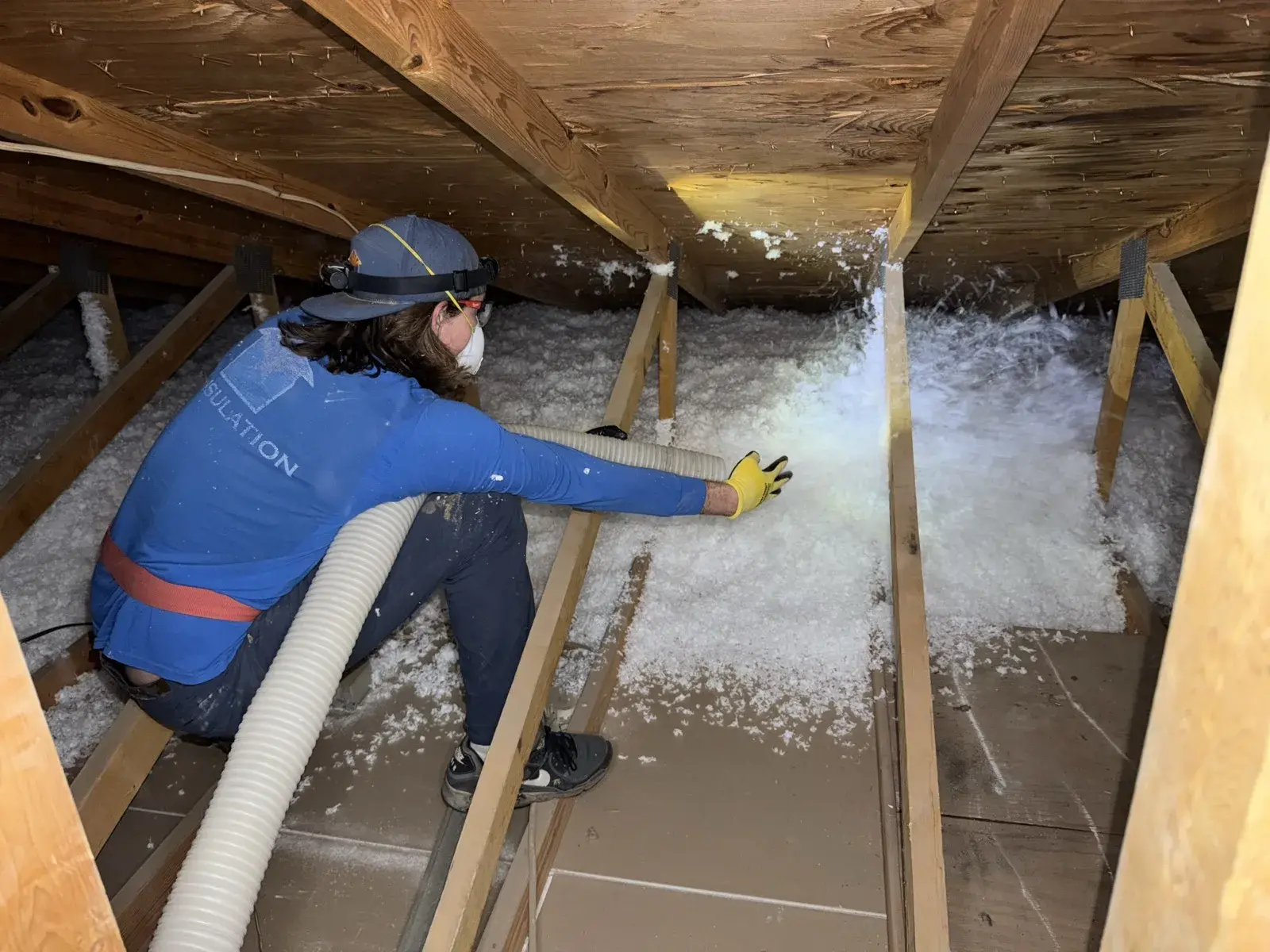
A Phoenix-area attic should be insulated to R-38. R-38 is the level SRP’s residential insulation rebate program requires homes to reach, and R-38 is the minimum AZ Insulation & HVAC Solutions recommends for Valley homes. In blown fiberglass, R-38 is roughly 13 to 14 inches of depth in the attic.
Most homes in Mesa, Chandler, Gilbert, Queen Creek, Glendale, Goodyear, and Surprise are nowhere near that. Valley tract homes were insulated to whatever the minimum was the year they were framed, and a 1995 Mesa home that passed inspection then is commonly sitting around R-19 today.
That gap is why the back bedroom feels like a different house in July. At AZ Insulation & HVAC Solutions we are in Valley attics year-round, and the most common finding is not mold or damage. It is simply not enough insulation between a 150-degree attic and your ceiling drywall.
How much attic insulation does a Phoenix home need?
A Phoenix home needs R-38 in the attic. SRP’s insulation rebate program sets R-38 as the minimum for Valley attics, and R-38 is the minimum we recommend for Phoenix-area homes. SRP’s residential insulation rebate requires a home with existing insulation below R-19 to be brought up to R-38 to qualify — so R-38 is not one contractor’s opinion, it is the standard the local utility’s own rebate program is built around.
R-value measures resistance to heat flow, and a higher R-value means heat moves through the ceiling more slowly. In the Valley, that heat is moving down into the house for most of the year, which is the opposite of the direction most national insulation advice assumes. Federal guidance agrees on the number: the U.S. Department of Energy places the Phoenix area in Climate Zone 2 and recommends adding enough insulation to reach R-25 to R-38 in an attic that already has a few inches. R-38 is the top of that range and the level SRP will help pay for.
The 7-inch gap in the average Valley attic
Here is the finding that surprises homeowners most. In the Valley attics AZ Insulation & HVAC Solutions inspects, the typical home is about 7 inches short of where its attic insulation should be. That is our own field observation across Phoenix-area attics, not a published statistic — and the arithmetic behind it is simple enough to check yourself with a tape measure.
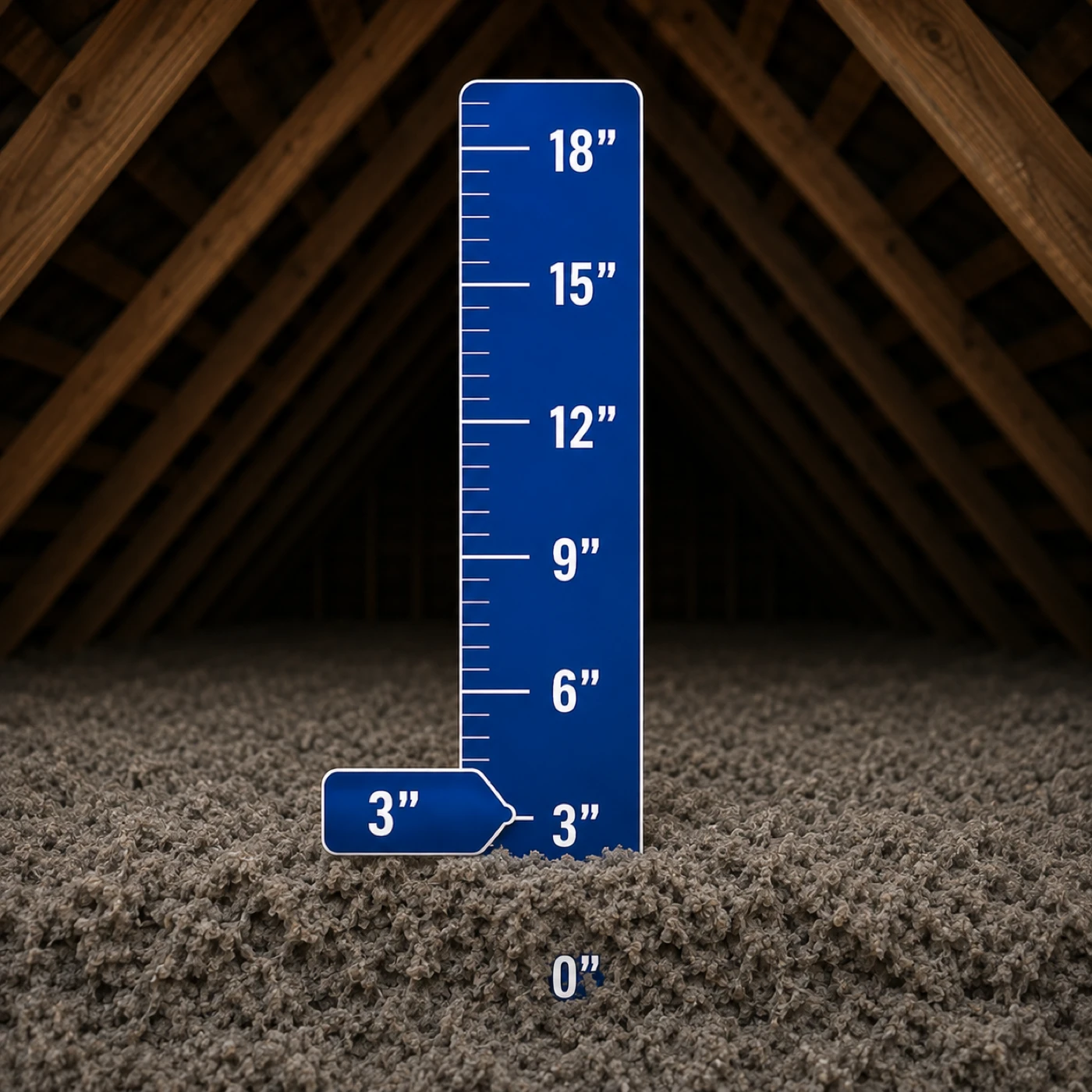
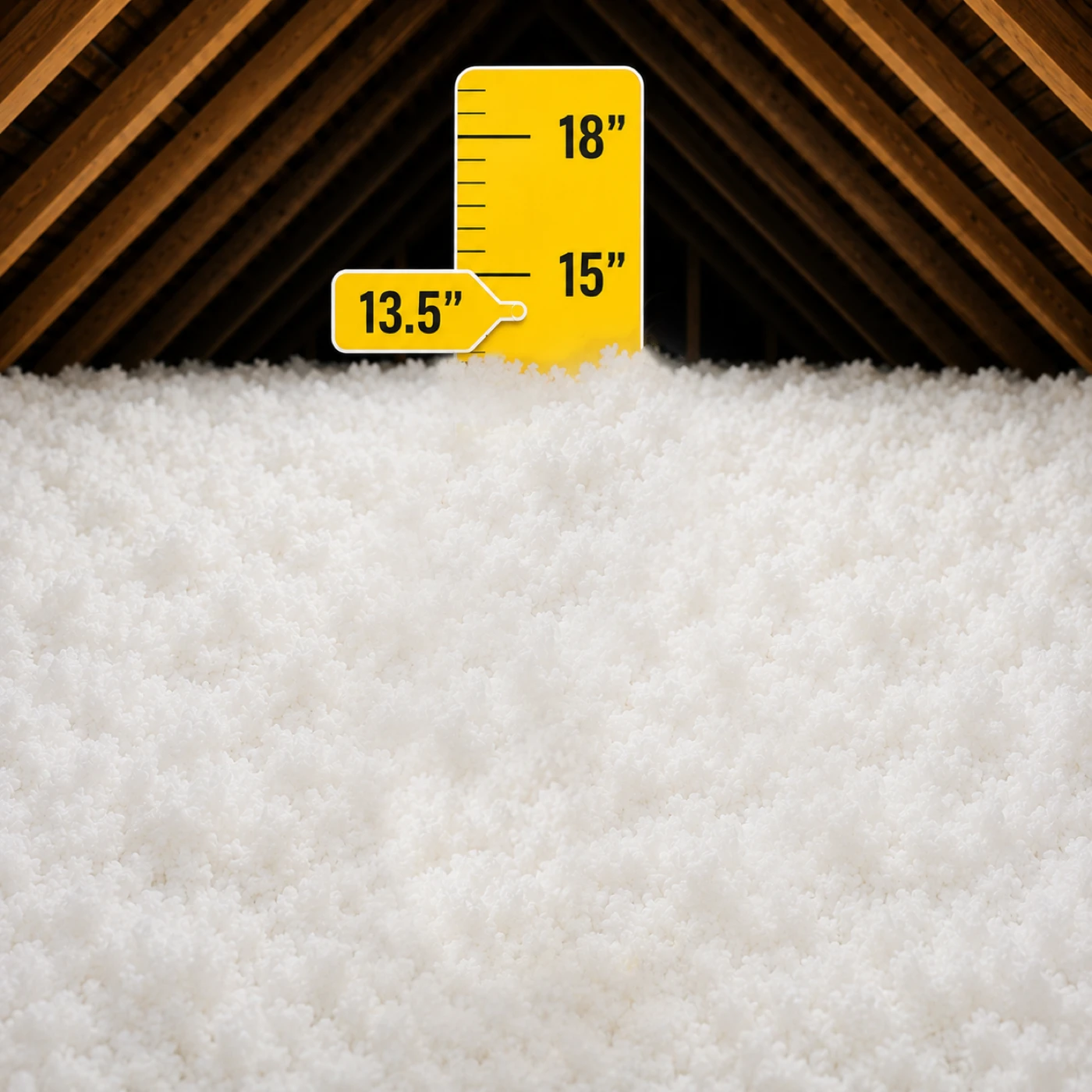
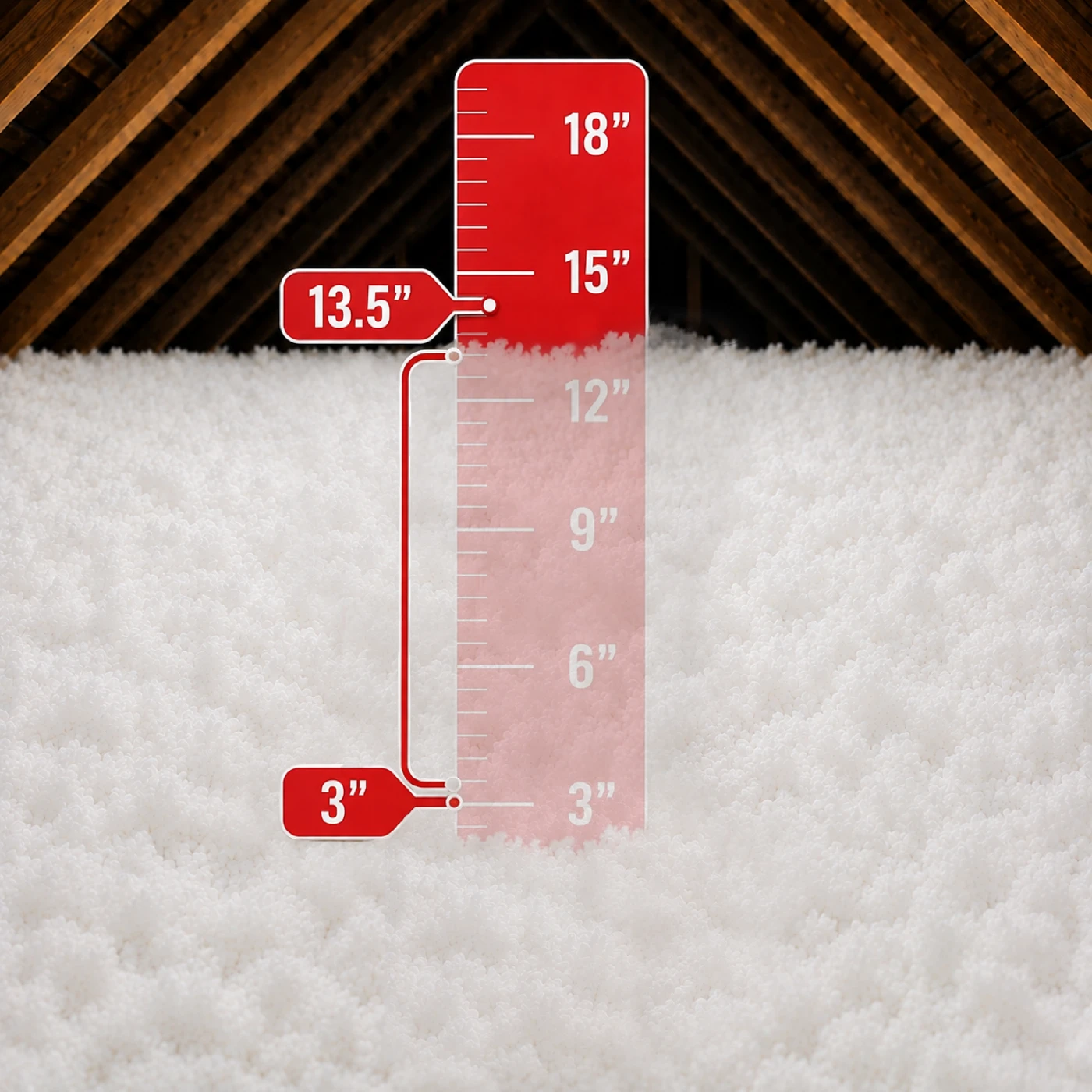
That is not a coincidence. Below R-19 is the level SRP treats as deficient — those homes are exactly who the rebate is written for — and R-38 is the level SRP requires you reach to earn it. The typical Valley attic sits at the bottom of that range with about half the insulation the house should have.
Seven inches does not sound like much until you remember what it holds back. Phoenix attics are commonly measured at 150 to 160°F in summer, against a living room set near 78°F. That difference presses down through the ceiling for ten or twelve hours a day, right through monsoon season, roughly mid-June to late September, when the AC barely gets a break.
Will SRP help pay for attic insulation?
Yes. SRP’s residential insulation rebate covers up to 75% of professionally installed attic insulation, up to $600, and it is an instant rebate applied directly to your invoice — you do not front the money and wait months for a check. The work has to be done by a BPI-certified, Arizona-licensed contractor on SRP’s participating list.
*Single-family detached and attached homes, apartments, and condos are eligible. New construction and mobile homes are not.
Does the insulation material change the answer?
The R-38 target does not change with material. Whether that R-38 is still there in ten years absolutely does.
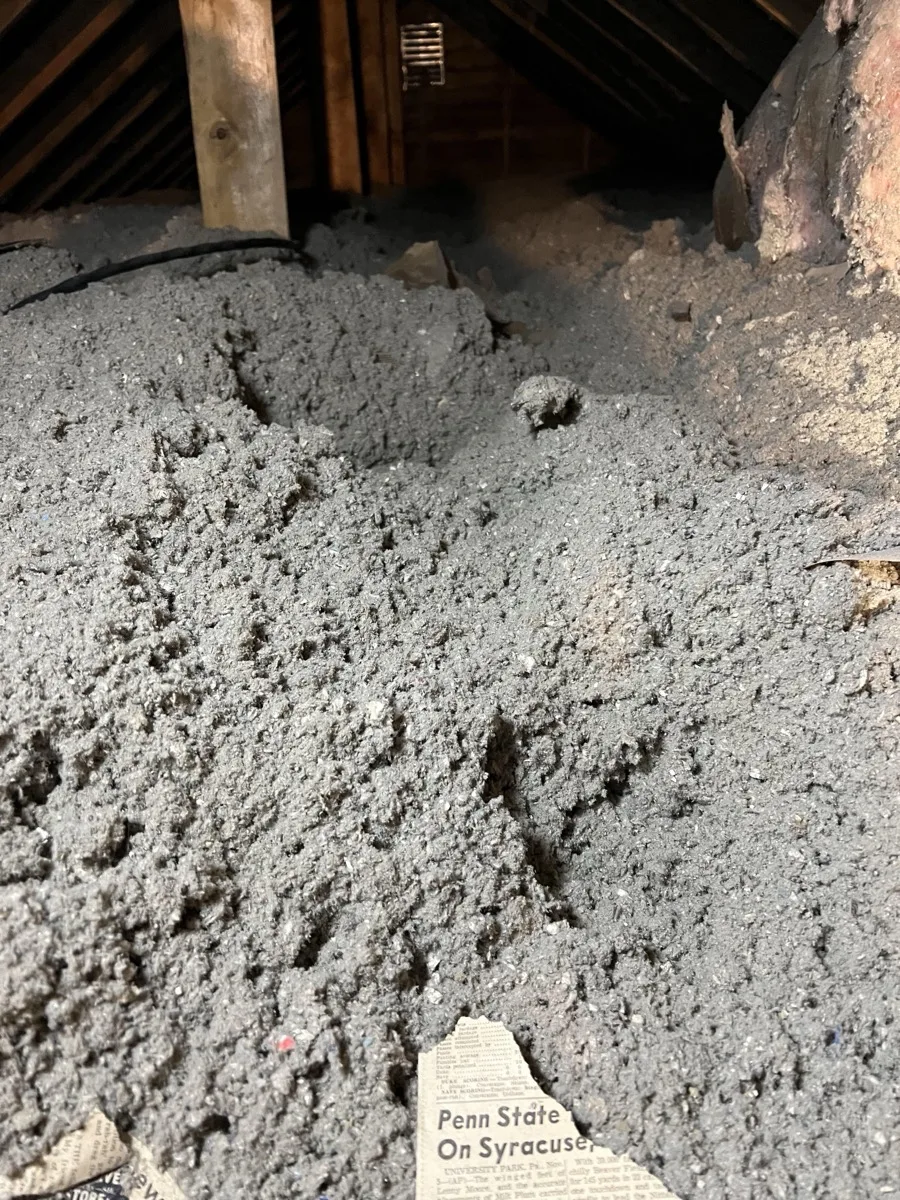
Cellulose settles. Cellulose is a legitimate product with real advantages — it is dense and it fills irregular cavities well — but it compacts under its own weight over the years. If your attic was insulated with cellulose, you may be surprised what is actually left up there. The 12 inches someone blew in years ago is not necessarily 12 inches today, and a settled attic loses R-value without anyone noticing.
Blown fiberglass does not settle. It holds its installed depth, so the R-value you pay for is the R-value you keep. In an attic you would rather not open again, that difference compounds. We treat blown fiberglass as a buy-it-once material: insulate properly one time and you are done, instead of topping up a settled attic in a decade. AZ Insulation & HVAC Solutions backs fiberglass attic insulation with a lifetime warranty covering both the material and our installation.
What if your Valley attic already has some insulation?
Most Valley attics are not empty. They are underfilled — that is the 7-inch gap. In most cases the existing material stays right where it is and new insulation goes on top, which is the fastest, cheapest way from R-19 to R-38. Removal is the exception, warranted when the existing insulation is wet, moldy, rodent-contaminated, smoke-damaged, or compacted into a mat. We photograph the attic and show you the pictures, because you should never have to take a contractor’s word for what is over your head.