AZ Insulation & HVAC Solutions home
480-662-2874 Get a Free Quote
All articles
Insulation 101 · How it works

Blown-in Insulation Explained: Arizona Insulation 101

AZ Insulation & HVAC Solutions 4 min read June 21, 2022 ROC# 301682
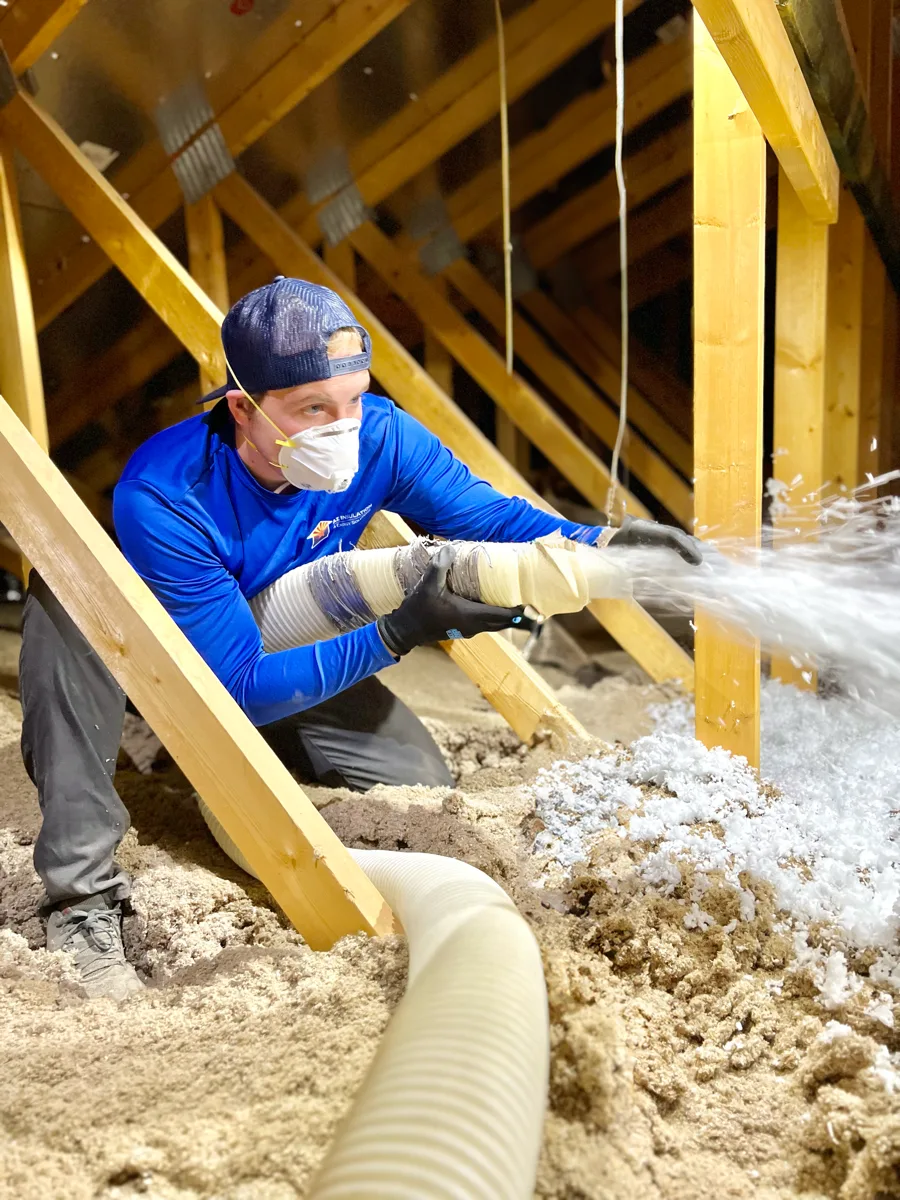

An AZ Insulation technician blowing loose-fill fiberglass from a hose over old settled insulation in an Arizona attic.
15–25%
or more, off your electric bill

Adding blown-in insulation to attics and wall cavities can reduce your electric bill by 15-25% or more.

What is blown-in insulation? Blown-in insulation, also known as blow in insulation, is a method of blowing or spraying insulation to fill gaps in walls, floors, and attics using an electric blower machine. Different methods may be used based on the type of insulation being applied.

Blown-in insulation offers a non-invasive way to add insulation to an existing home or structure. Your other option is to rip off existing interior drywall, install rolled fiberglass insulation, and then reapply a new layer of drywall.

Could your home or business benefit from blown-in insulation?Set up your free consultation today!
Book my free consult

If you are already planning a major renovation that involves removing drywall, this might not be a bad idea. On the other hand, if you simply want to add insulation to an existing structure with as little hassle as possible, blown-in insulation is a better option.

Blown-in insulation can offer reduced settling over time and increased performance per square inch. Plus, it reduces energy costs in the summer and winter by maintaining a solid barrier between the inside of your home and exterior elements.

Blown-In Insulation for Cavity Walls: How It’s Done
1
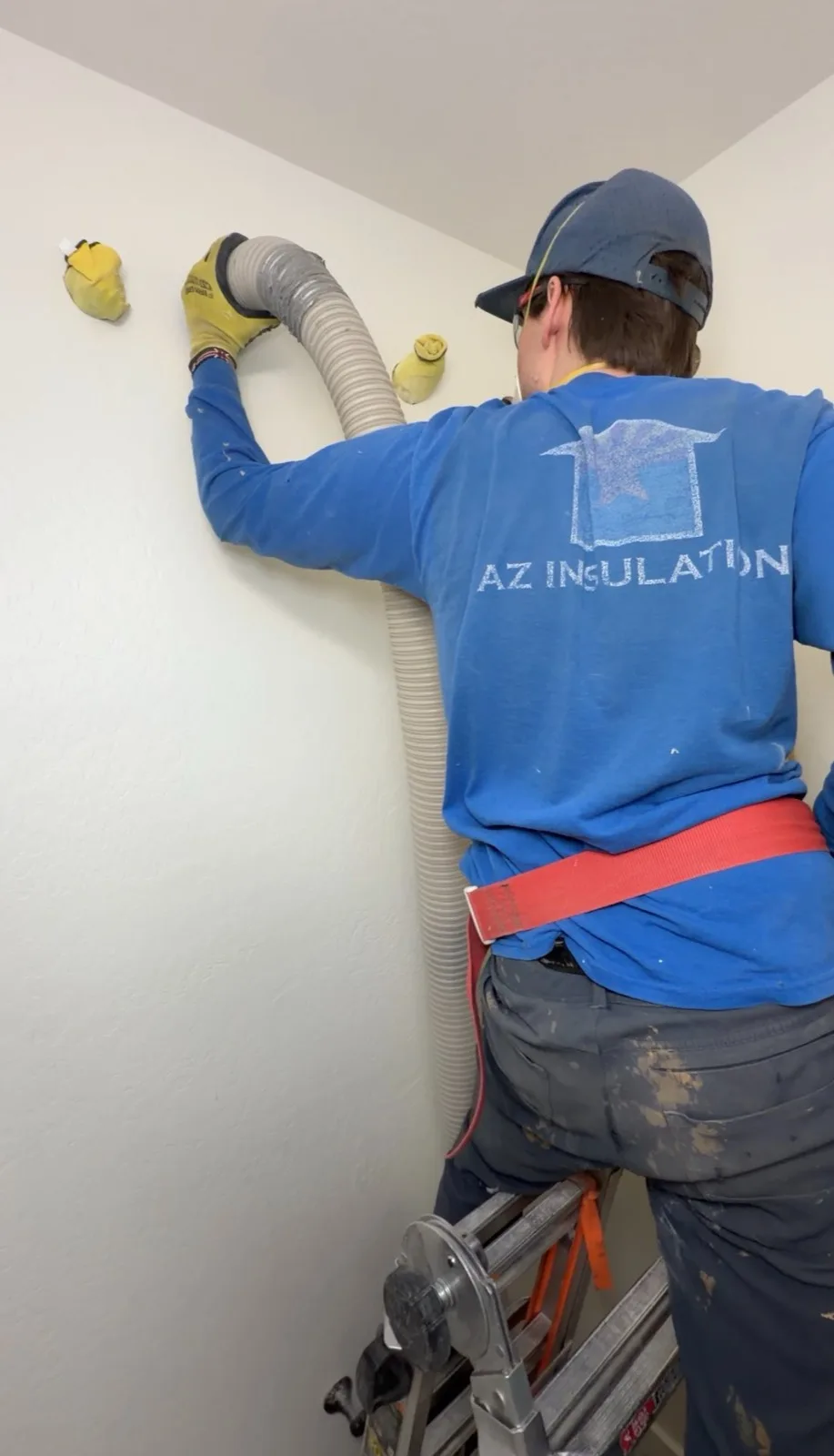
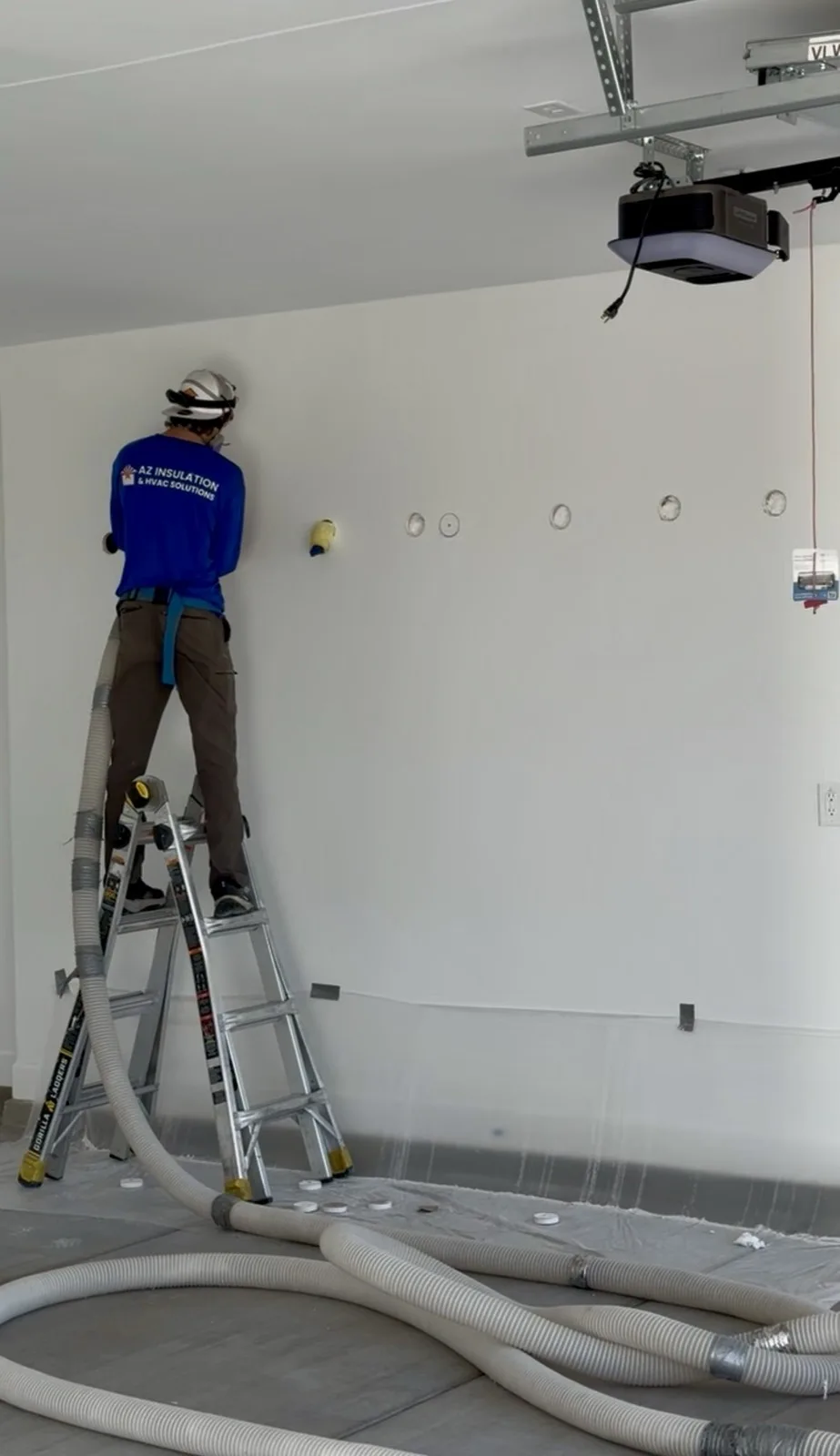
A small hole is drilled into the wall near the ceiling, and another hole is drilled near the floor. Additional holes may be drilled around 16-inches apart.
2
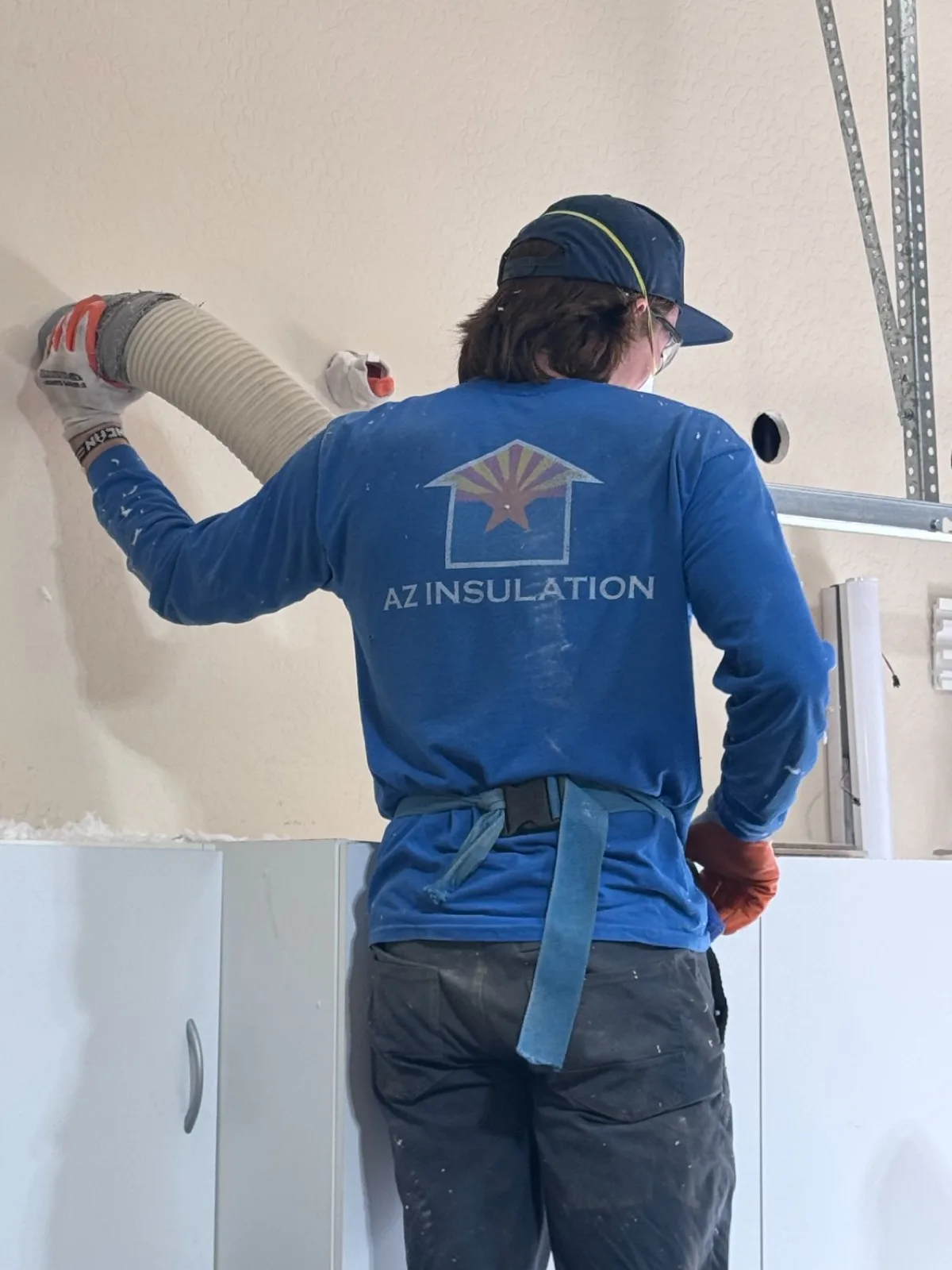
The blowing machine is used to force insulation materials into the wall through pre-cut holes. Insulation moves through the space and fills in all gaps. Insulation professionals can pinpoint general locations where blockages and wires are located within the wall, this allows them to generate workarounds to produce the best results possible.
3
Lastly, holes in walls are filled with plastic plugs which can be painted over for a seamless appearance.
Technician blowing insulation into a wall cavity through a drilled hole.
Filling a wall cavity through a small drilled hole — no drywall removal.

Blown-In Insulation for Attics: How It’s Done

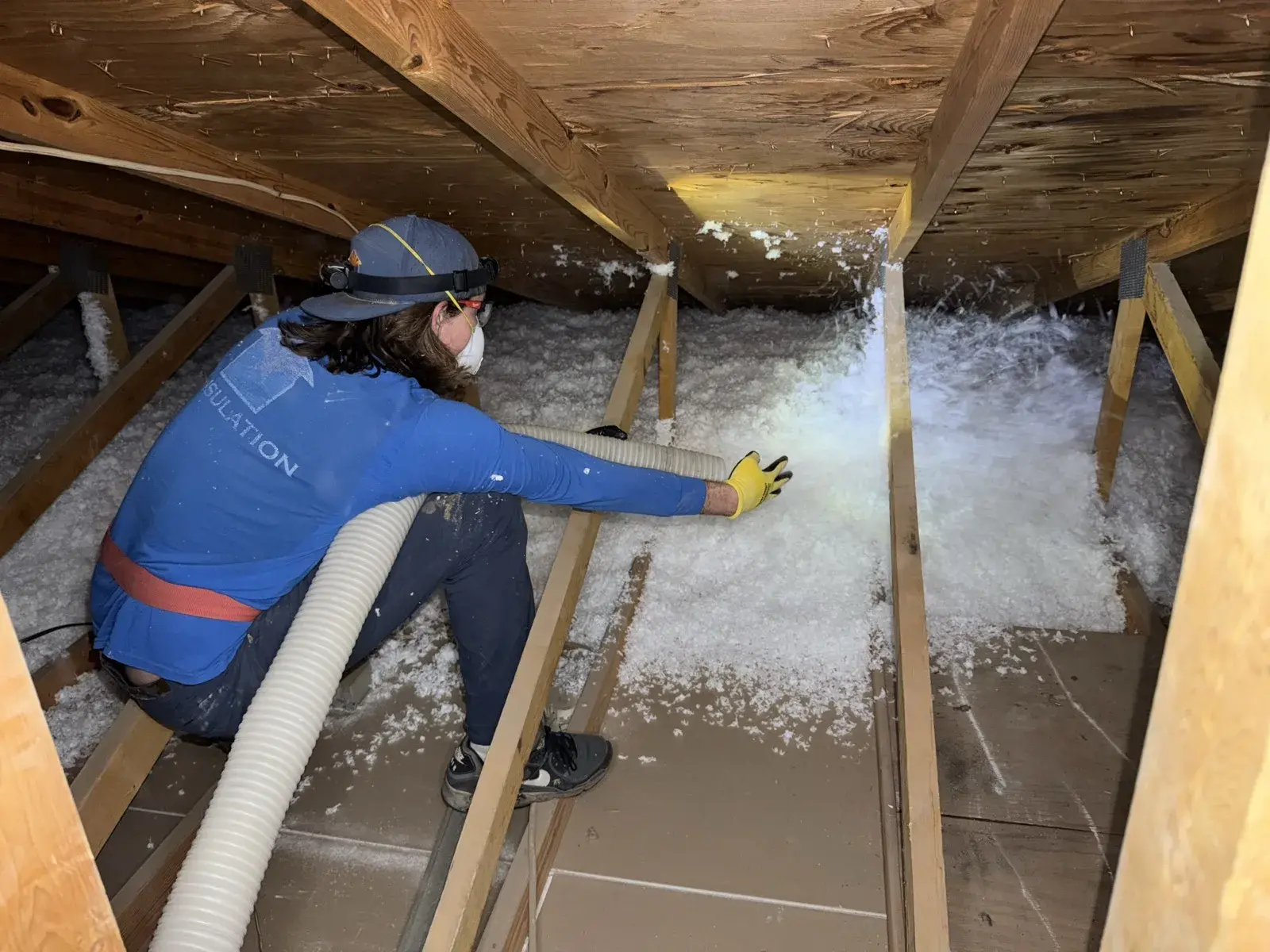
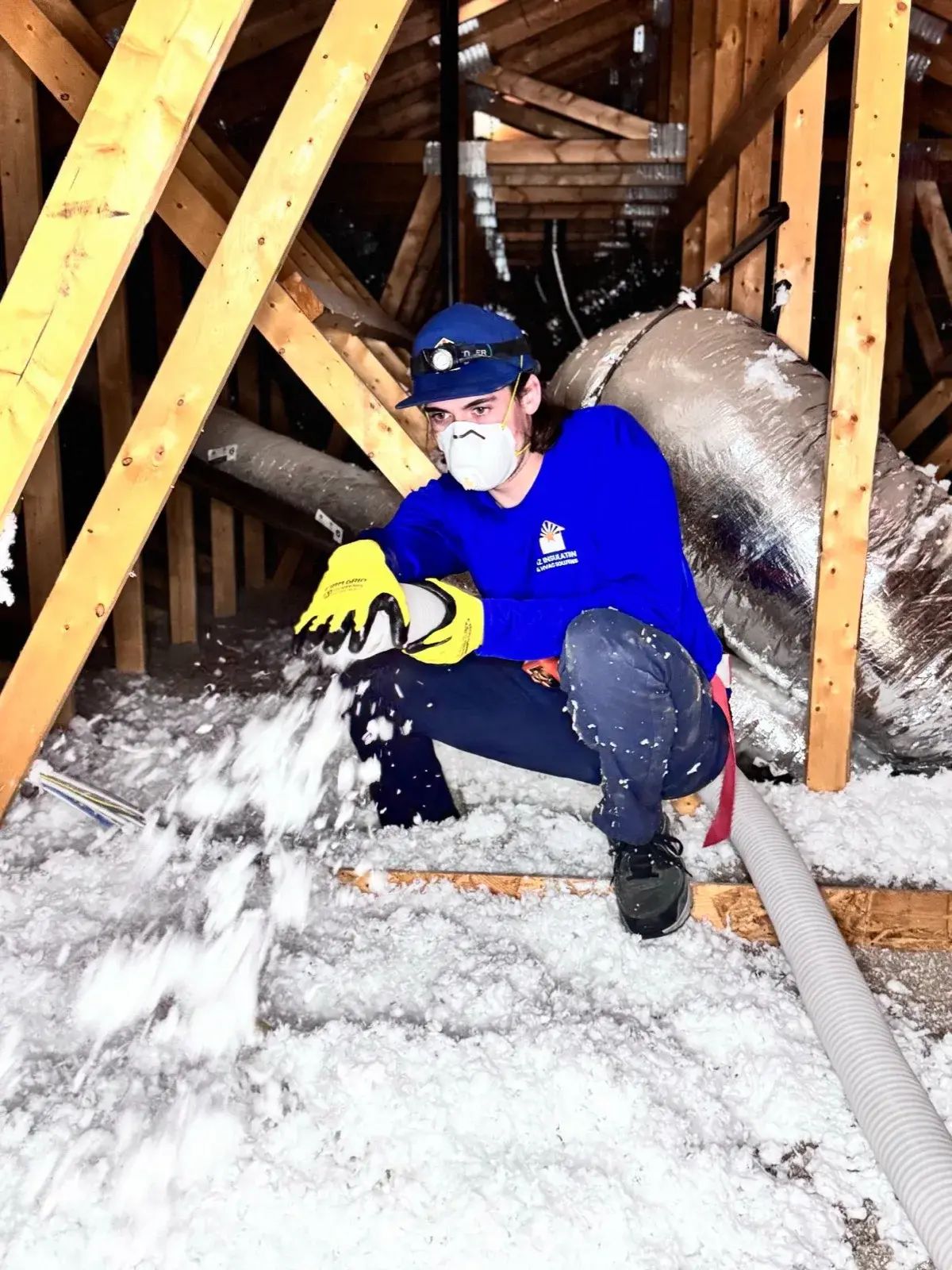
When installing blown-in insulation to attics, a professional moves all around the space to create an even layer of insulation. Installing blown-in insulation requires almost as much movement as rolling out batts. But, unlike batt insulation, blown-in insulation readily settles around barriers in the attic (more on that in a moment).

Additional measures taken to ensure the best results for attic insulation in Arizona:

Air leaks are sealed—including gaps near plumping pipes, holes around electrical wires, etc.
Add or repair existing vent chutes
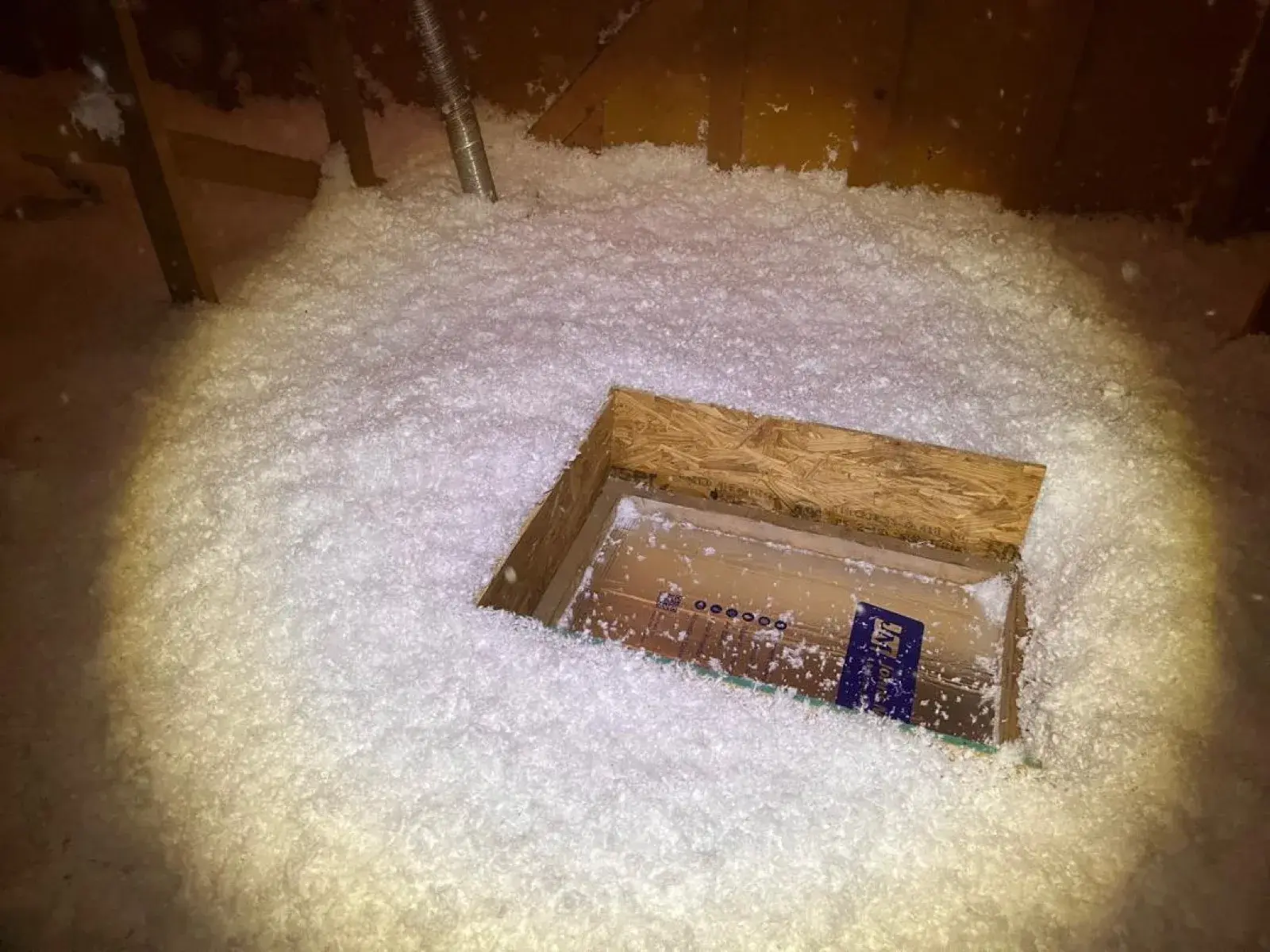
Seal and insulate access to the attic to prevent air leaks and stop insulation from falling through the attic hatch.
Create reference lines based on blown-in insulation levels to ensure even coverage throughout the space.

The Benefits of Blown-in Fiberglass

Loose-fill blown fiberglass insulation in an attic.
Loose-fill fiberglass — it doesn’t absorb moisture and resists rot.

Fiberglass is a type of insulation that can be applied using a blower machine. Fiberglass, as its name suggests, is made from a loose-fill fiberglass (glass fragments/and or sand). It is well suited for wall cavities and attics.

Most insulation faces serious consequence after exposure to moisture. It takes a long time for materials to dry out, leading to mold and other issues. Fiberglass insulation is excellent at resolving these issues. In fact, CertainTeed fiberglass insulation is made from “virgin fiberglass” that does not absorb moisture and is resistant to rot.

What about blown-in cellulose?

There are two different types of insulation used for blown-in insulation, fiberglass and cellulose. Each offer unique advantages and disadvantages with similar R-Value per inch. Fiberglass is created out of old glass or sand. Cellulose is made from recycled newspapers treated with fire-resistant chemicals.

Fiberglass
Created out of old glass or sand.
Settles less over time
Cellulose
Made from recycled newspapers treated with fire-resistant chemicals.
Settles more, reducing R-Value

Over time, cellulose tends to settle more than fiberglass, thus reducing its total R-Value. Settling must be accounted for during installation of cellulose insulation to determine appropriate R-Value.

What are the benefits of blown-in insulation vs. fiberglass batts?

Fiberglass batts are sheets of fiberglass installed piece-by-piece. Using a blower to add chopped fiberglass into open framing cavities tends to produce better results in terms of full coverage than applying batts. This is largely because sheets of insulation are not flexible to accommodate obstructions like electrical boxes, wiring, etc. Blown-in insulation moves all around and settles nicely around obstacles and odd-shaped cavities.

DIY Blown-in Insulation: Is it a good idea?

Blowing attic insulation is a dirty and sweaty job that could take as long as 2 days—even if you talk someone into helping you. It’s best to have 2 people; one to prep the space and the other to blow the insulation. Plus, to reap the full benefits requires proper equipment and experience.

Not to mention, there’s always room for error. Common mistakes made during DIY insulation installation:
Accidently stepping through the roof of a home (special precautions must be taken, such as using a piece of plywood as a platform to safely navigate between ceiling joists)
Failing to add adequate insulation near the edges of attic space
Improper or lack of sealing prior to adding insulation
Free consultation & quote

Blown-in attic insulation might be more affordable than you think!

We want to help you save money on your AZ electric bill! From whole home energy inspections to attic insulation installation, we are a full-service energy solutions company serving the entire Phoenix Valley!

Contact Us Today for a Free Consultation & Quote 480-662-2874
Free · no pressure

Set Up Your Free Consultation

AZ Insulation & HVAC Solutions. We want to help you save money on your AZ electric bill — from whole home energy inspections to attic insulation installation, serving the entire Phoenix Valley.

$5M+ in rebates secured for AZ homeowners
Instant $600 SRP rebate — we file the paperwork
4.9★ from 550+ local reviews
Lifetime warranty on blown-in fiberglass
Prefer to talk? Call 480-662-2874
AZ Insulation & HVAC Solutions
Family-owned in the valley since 2014 · BPI-certified · 4.9★ from 550+ reviews
Get my free quote

Related Posts

Insulation
Best Attic Insulation for Phoenix Homes: R-Values, Costs & SRP Rebates
The honest version of what works in Arizona heat, and what it costs.
Insulation
Do You Need to Remove Your Old Insulation?
When removal is necessary, when to just top off, and what it costs.
HVAC
What Temperature Should You Set Your House When Away in the Summer?
The DOE number, plus what to do about pets and long vacations.
From the Feed
Real jobs from around the valley — follow along
Follow us
Drilled holes ready for wall drill-and-fill
197
3-inch holes, 16 inches apart — drill & fill.
Wall cavity filled with blown insulation
224
Cavity full, plugs in, ready for paint.
Sealed and insulated attic access hatch
158
Attic access dam — stops insulation falling through.
Finished even layer of blown-in attic insulation
241
Even coverage, corner to corner.

Frequently asked questions

What is blown-in insulation?
Blown-in insulation is loose-fill material, usually fiberglass or cellulose, installed with a blower into attics and wall cavities. It fills gaps and irregular spaces better than batts and reaches a consistent R-value.
Is blown-in fiberglass good for Arizona?
Yes. Blown-in fiberglass resists heat transfer, does not settle much over time, does not absorb monsoon moisture, and is not a food source for pests – a strong fit for our climate at R-38 in attics.
Can blown-in insulation go in existing walls?
Yes. We inject blown-in insulation into existing wall cavities through small access holes, so you get the benefit without tearing out drywall.

Explore our attic insulation and wall insulation services, or read the full Arizona insulation & rebate guide.

Cut your electric bill 15–25% with blown-in insulation.
Free consultation & quote · instant $600 SRP rebate · serving the whole Phoenix Valley
480-662-2874 Free Consultation